
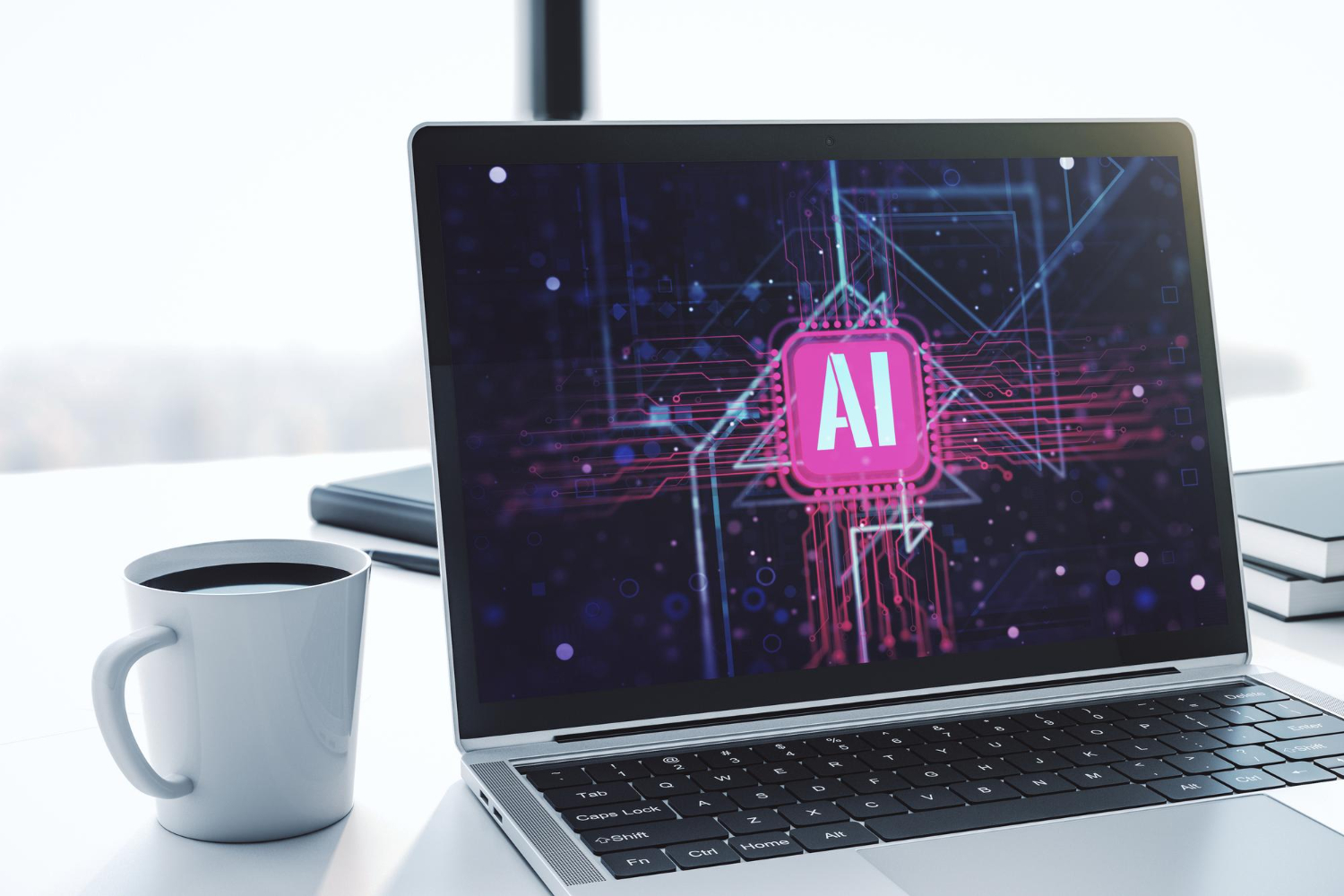
The Future of Website Design: A Fusion of AI and Human Ingenuity
As we step further into the age of artificial intelligence, the landscape of website design is poised for significant transformation. The coming years will see AI not just influencing, but leading, the evolution of how websites are conceptualised, created, and maintained. But what does this mean for developers, businesses, and users alike? Let’s explore.
AI-Driven Change in Website Design
AI is already revolutionising the way websites are built. Platforms offering drag-and-drop features for website creation, like Wix and Squarespace, will become even more sophisticated as AI integrates into their core functionalities. AI’s ability to analyse user behaviour and generate intuitive designs will help refine these platforms, making them more user-friendly and accessible for individuals with limited technical skills.
One particularly exciting development is AI’s potential to integrate third-party platforms without requiring pre-loaded plugins. Imagine a scenario where an AI system generates a custom “plugin” in real-time based on a user’s specific needs. This dynamic capability could redefine the boundaries of customisation and integration. However, such advancements will still likely require some level of human input to ensure quality, accuracy, and functionality.
The Role of Human Input in an AI-Dominated Future
While AI excels in speed and efficiency, human expertise remains essential, particularly in the architectural aspects of platforms, websites, and software. Senior developers and designers bring a depth of experience and creativity that AI cannot replicate—at least, not yet. For now, the symbiosis of AI and human ingenuity ensures that high-quality, innovative solutions are achievable.
Rather than viewing AI as a threat, senior developers should embrace it as a powerful tool. AI can help streamline processes, accelerate idea development, and assist in building complex ontologies and architectures. This collaborative approach between human and machine is likely to define the next stage of technological evolution. While the role of AI may expand over time, the complete automation of high-level development remains a distant goal.
Automating the Development Process
Currently, even relatively simple AI models designed to predict business trends rely heavily on human intervention. Tasks like data collection, cleaning, model creation, and validation require expertise and oversight. However, advancements in AI, especially artificial general intelligence (AGI), will gradually automate more of these processes. This will reduce the need for hands-on involvement in routine tasks, freeing up developers to focus on more strategic and creative challenges.
Impact on Website Development
For straightforward websites—the so-called “5-pagers”—AI will make development faster and easier. These types of websites will require fewer expert skill sets, as AI-powered tools handle much of the heavy lifting. Businesses will benefit from reduced costs and faster turnaround times.
However, complex and high-performance websites, such as those used by e-commerce giants, warehouse systems, or platforms in specialised industries, will still demand human expertise. These projects require advanced customisation, optimisation, and robust architectures that only skilled developers and AI engineers can deliver. In these cases, AI will serve as an enhancement, not a replacement, enabling teams to work more efficiently and creatively.
The Road Ahead
As AI continues to evolve, the relationship between technology and human expertise will remain dynamic. For now, AI represents a powerful ally, helping to accelerate workflows and unlock new possibilities in website design and development. The future may bring greater levels of automation, but the unique capabilities of skilled professionals will ensure they remain at the heart of innovation.
Website design is not just about technology; it’s about understanding user needs, crafting seamless experiences, and creating platforms that stand the test of time. AI may change how we achieve these goals, but the vision and creativity of human developers will always play a crucial role in shaping the digital world.
If you would like to know more on this or see how we are able to help you, please send us an email to info@markupdesign.co.uk or visit our contact page.
Tags
Recent Posts
-
 The Future of Website Design: A Fusion of AI and Human Ingenuity
As we step further...
-
 Design and Printing Services for St Marys Church
We are proud to...
-
 Perfex CRM and all it’s modules
So as a business...
-
 Exporting & Importing WooCommerce Orders
All us developers find...
-
 Website on finance? WHY NOT!
At Markup Design we...
-
 A website will make your business look professional
84% of today’s consumers...